Is quartzite a safe choice for a sunny Austin kitchen
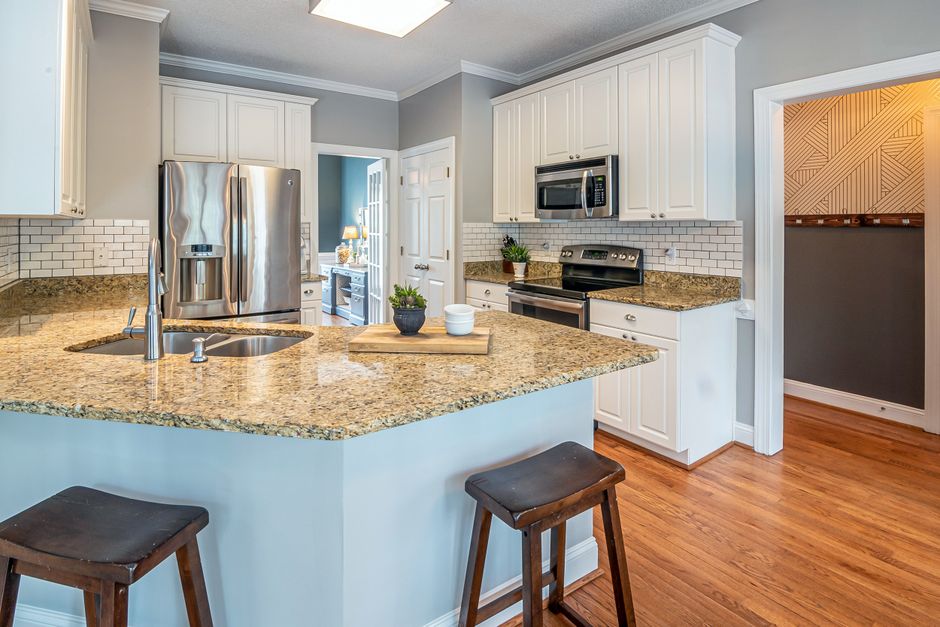
Hold a drop of water on the surface for ten minutes and watch whether the stone darkens, because that one test separates true quartzite from the softer marble and dolomite that sometimes get sold under the same name. Kitchen countertops in Austin, TX take hard light through south and west windows all afternoon, and the breakdown sitting on countertops austin tx my career in gear lists the checks in order so a sample can be sorted before a slab is chosen.
What true quartzite does under a drop of water
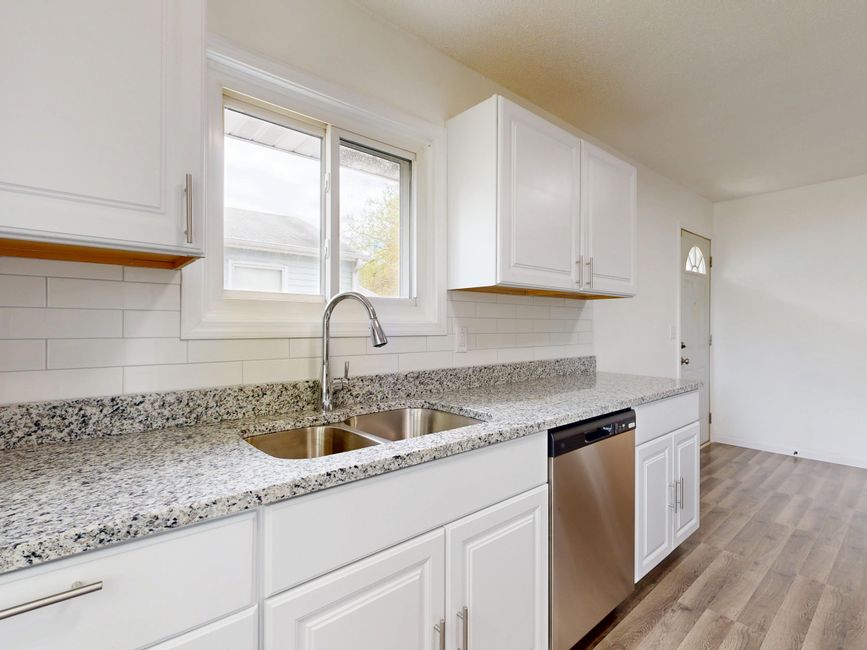
Quartzite is sandstone that was squeezed and heated until the quartz grains locked together, so a real slab absorbs almost nothing. Sealer beads up and sits on top. A softer stone, often a dolomitic marble marketed as quartzite, soaks the drop in within minutes and leaves a dark ring. Run the point of a glass shard across a hidden corner of an offcut. Quartzite scratches the glass and the glass leaves no mark on the stone. Marble does the opposite, and a steel knife leaves a pale line in it.
Austin light and the south window
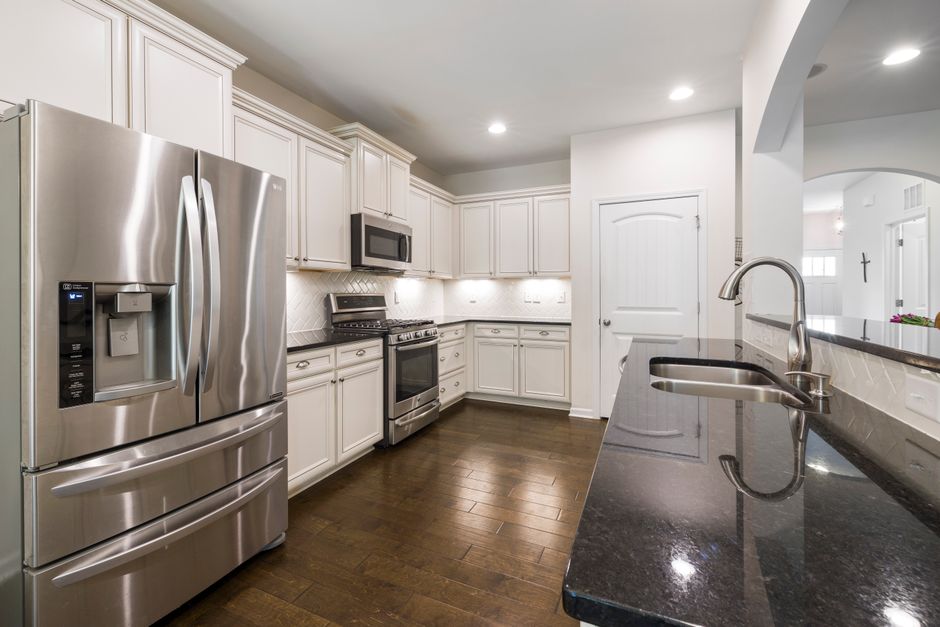
A skillet rarely marks quartzite, but late sun through a west window warms a dark slab until it feels hot to the hand. A polished face throws glare across the room, and a honed or leathered surface calms it down. Bungalows in Hyde Park and Tarrytown often have shallow overhangs that let low sun reach the island, so the finish matters more there than in a newer house with deep eaves.
Hard water from the Colorado River
Water drawn from the Colorado River carries a heavy load of dissolved minerals. A faucet that drips leaves white rings on a dark slab, and those rings are lime scale, not etching. A razor blade held flat lifts scale from quartzite without harm. On marble the same ring may be an etch in the surface, and scale remover only makes an etch worse.
Sealer, seam placement and edges
Even dense quartzite gets a penetrating sealer at fabrication, mostly to protect the veins and fissures where softer minerals sit. Seam placement deserves attention because veining runs across a slab, and a seam laid along a vein reads as a crack. An eased edge or a small bullnose holds up better than a sharp square corner, since quartzite chips rather than dents. On a waterfall edge the grain wraps down the side of the island, so the digital template marks where the vein meets the top.
Sink cutouts and wear
Quartzite is hard on blades, so a sink cutout takes longer than it does in quartz or granite. An undermount sink leaves a cut edge exposed to water every day, and that edge is sealed along with the top.