What material works for a bathroom vanity or laundry room top
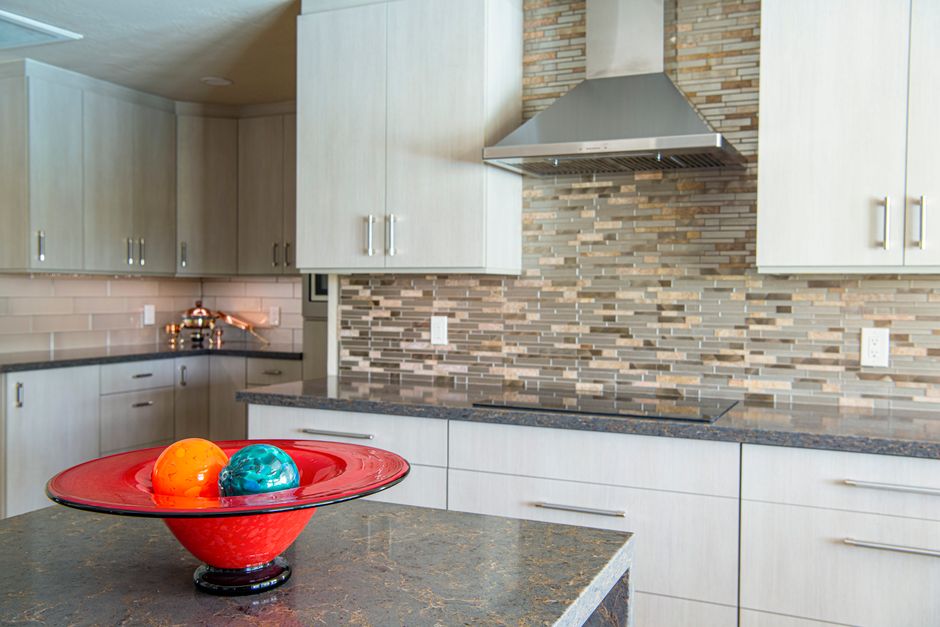
The smell of damp that rises when a vanity door is opened usually starts at the sink cutout and not at the pipe. Bathroom and laundry countertops in older Austin, TX houses live in steam and soap, and every teardown countertops austin tx my career in gear has logged shows the same thing, which is that water works in at the seam and the cutout edge. Small tops are easy to get wrong and just as easy to get right.
Remnants suit small tops
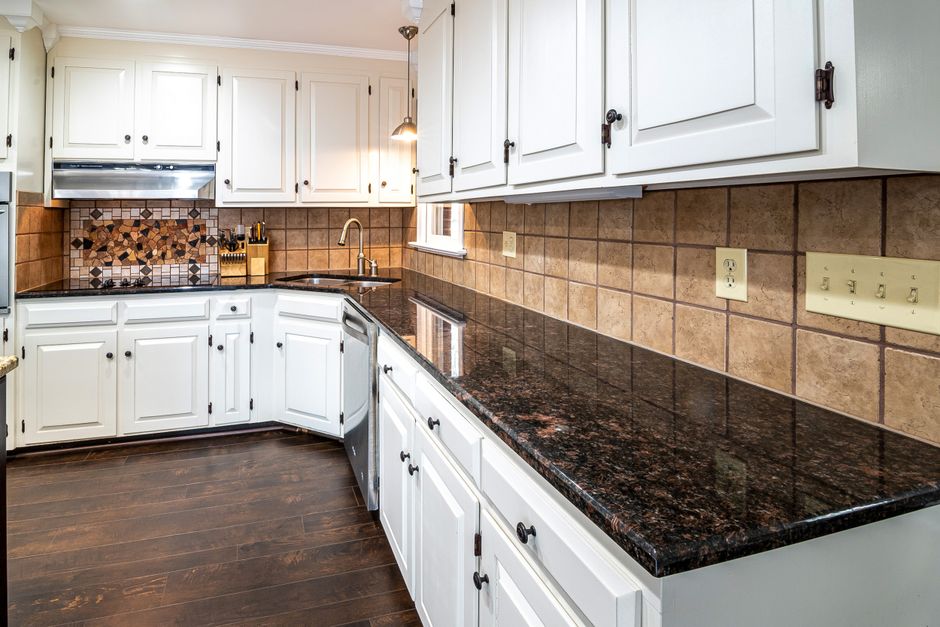
A vanity top is often under sixty inches long, so it can come from a remnant, the leftover piece of a full slab from a kitchen job. A remnant of granite, quartz, quartzite or marble gets the pattern and color of a full slab and has no seam in a short run. The remnant must be big enough for the backsplash lip and for the overhang at the front. Granite and quartz remnants are stocked in many fabrication yards across Austin, TX, and a vanity that size can often be cut and polished in one day once the template is done.
Steam, soap and detergent
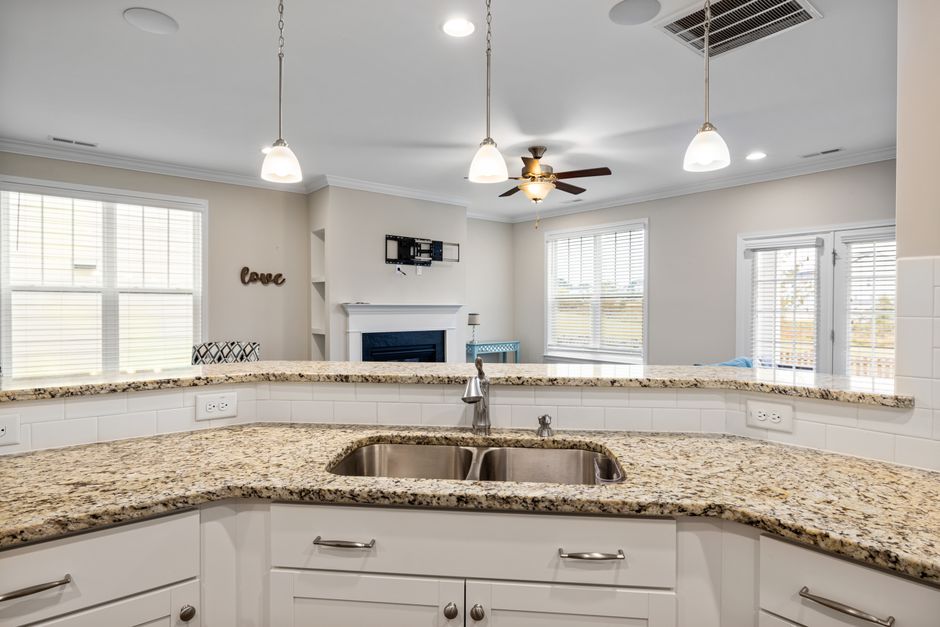
Bathroom steam and soap scum do little to granite or quartz. Marble etches under some cleaners and a few bath products, and a laundry room adds detergent and bleach, which dull a polished face and can stain a porous stone. Solid surface and porcelain shrug these off, and a laundry top in sealed quartz is common. Butcher block looks warm in a laundry room, but standing water and wet towels left on it will open the grain, so it is a poor match for that room.
Backsplash lip and the sink seam
A short backsplash lip, a few inches high, keeps water from running behind the vanity and into the drywall. In a laundry room the same lip stops soap behind the machine. An undermount sink sits under a polished cutout, and the seam where sink meets stone is sealed with a mold resistant silicone, checked once a year for gaps.
Small rooms in older houses
Bungalows in Hyde Park and Bouldin Creek often have a narrow bath with a vanity less than two feet deep, and a standard overhang may block a door swing. The template is taken in the room and not from a drawing. A bullnose or an eased edge is safer than a sharp edge where a hip brushes the corner, and the walls are rarely square, so the back edge is scribed to fit.