Why do concrete countertops hairline crack on Austin soil
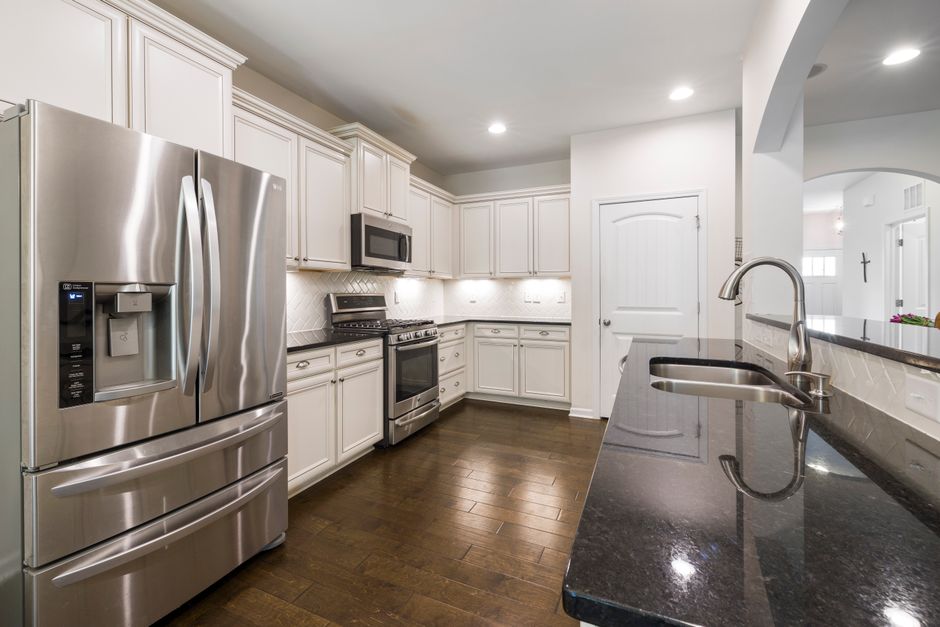
A concrete top moves with the box it sits on. Hairline cracks in a poured concrete countertop (a pattern noted at countertops austin tx my career in gear) usually trace back to cabinet deflection or to curing shrinkage, and rarely to the stone itself. Houses in Austin, TX sit on clay that swells and shrinks and on limestone shelves cut by the Balcones Fault, so a new countertop shows ground movement before a wall does.
Cosmetic cracks and structural ones
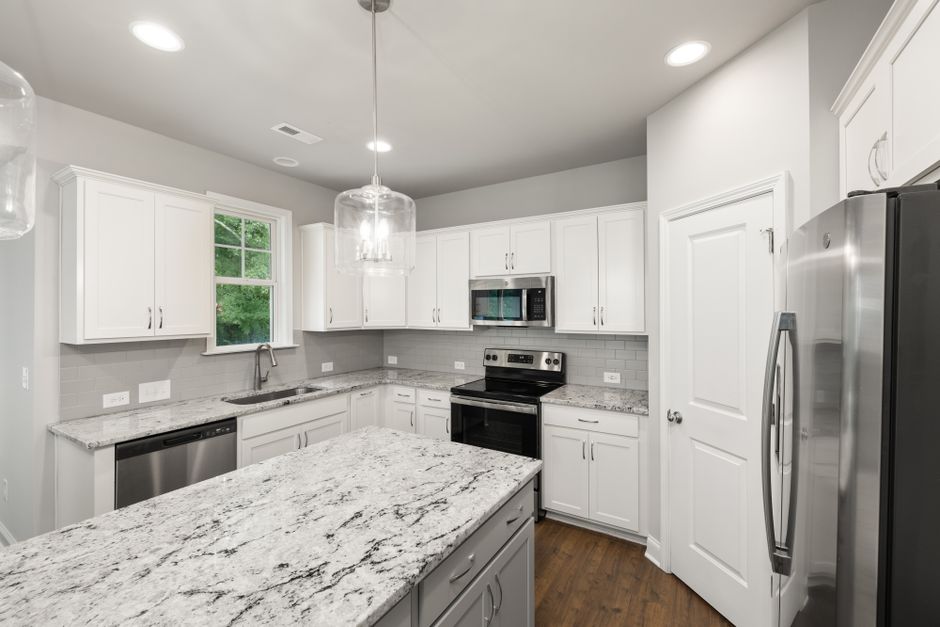
A hairline crack thinner than a business card edge, that follows the surface and does not step, is cosmetic. A crack that has one side higher than the other, or that runs from a sink cutout corner to the edge, is structural and means the top has been carrying load it should not. Corners of a sink cutout are the weakest points of any slab, and concrete is no different from granite or quartz there. Rounded inside corners and a bar of steel across the narrow web beside the sink hold that stress.
Cabinet deflection
A seam in a concrete top is rare, because the top is usually cast in one piece, so the whole length rests on the cabinet boxes. If one cabinet sags a few millimeters when the floor settles, the top bridges the gap and cracks above it. A level base, shims at each cabinet and a plywood deck under the full span reduce the movement before the concrete arrives.
Reinforcement and curing
Wire mesh or fiber in the mix holds a crack tight, so it stays a hairline instead of opening. Curing matters as much, because concrete cured too fast in a hot Texas garage shrinks and checks across the top before a single dish touches it. Slow damp curing under plastic for several days gives a denser, tighter surface. A top poured in a shop and set on site cures away from the house, while a top cast in place picks up the movement of the cabinets from day one. Either way, the first month tells most of the story.
Sealer and expectations
Concrete is porous, so a sealer or wax goes on and is renewed, and an undermount sink edge is sealed with particular care. Buyers who want a flawless surface tend to choose quartz or porcelain slab. Buyers of concrete accept a little patina, a few fine lines and color that shifts with use, much as marble etches, and that character is the reason many pick it over a slab that never changes.