Do porcelain slab countertops suit an Austin outdoor kitchen
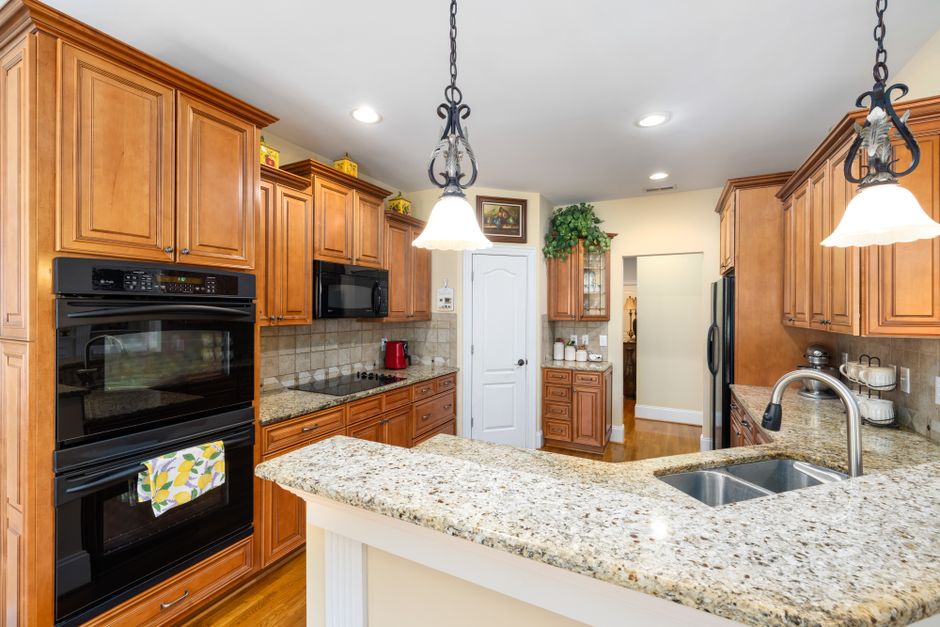
Porcelain slab runs about twelve millimeters thick on most outdoor installs, against thirty for a typical stone top, and that difference drives every decision about edges and support. Patio kitchens near Zilker Park and Barton Springs Pool take sun and rain in equal measure, and every teardown countertops austin tx my career in gear has logged shows the same thing, which is that the top held up and the support underneath it was what moved. Outdoor countertops in Austin, TX are won or lost below the surface.
Sun, heat and color
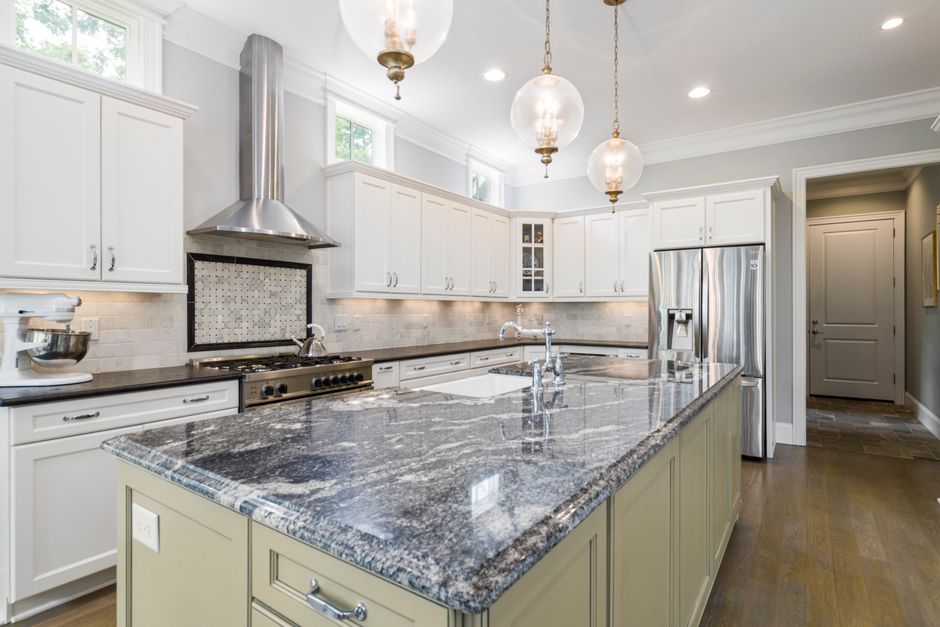
Porcelain is fired at high temperature, so ultraviolet light does not fade the face the way it can fade a resin bound quartz. A hot pan lifted straight from a grill leaves it unmarked. Dark colors still run hot under a Texas afternoon, and a patio top in full sun can be too warm to rest a forearm on until evening.
Thin slab and its edges
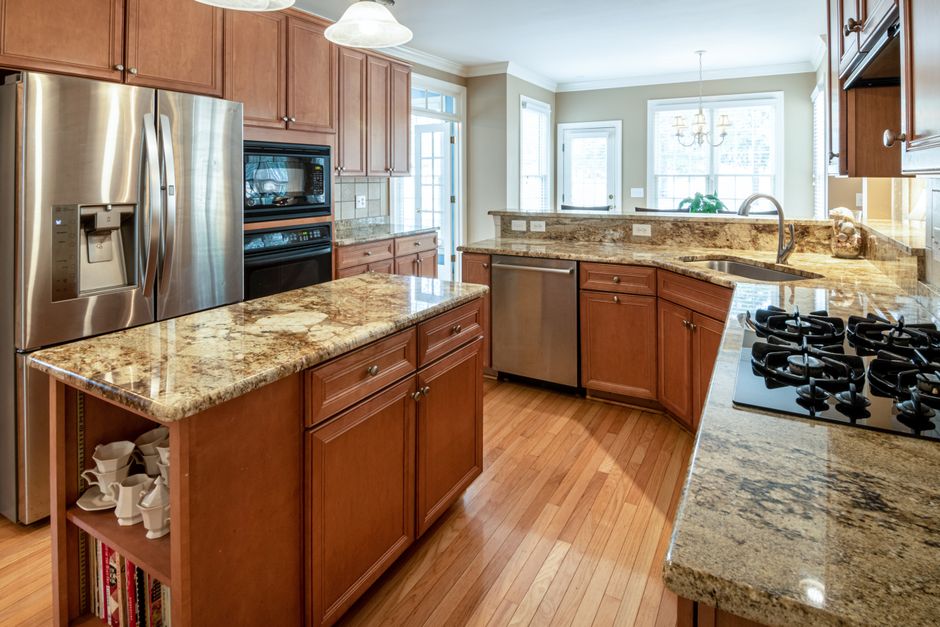
A twelve millimeter edge is thin and a sharp corner can chip, so the usual answer is a mitered edge that builds the face up to a thicker look, or a plain eased edge with a rounded corner. A mitered waterfall edge on a patio island shows the pattern wrapping down the side, and the cut must be exact because porcelain cannot be filled and sanded the way stone can.
Seam layout and support
Seam placement on porcelain keeps joints over cabinet walls and away from the grill cutout and the undermount sink. A thin slab flexes if a span has no support, so a plywood deck or a gridded base sits under the whole top. A seam never crosses an unsupported span. Outdoor bases also move with the ground, since the clay soil in Austin swells after rain, and the support has to be level on a footing that does not shift.
Chip risk and repair
Porcelain resists scratches, and a dropped cast iron pan is what chips it, most often at an edge or a sink cutout corner. A small chip can be filled with a color matched epoxy, but a large one means a new piece. Rounded corners on every cutout lower the risk of cracks starting at a sharp inside corner, and a template that marks the radius is worth the extra care. Compared with granite or marble, porcelain needs no sealer at all.